
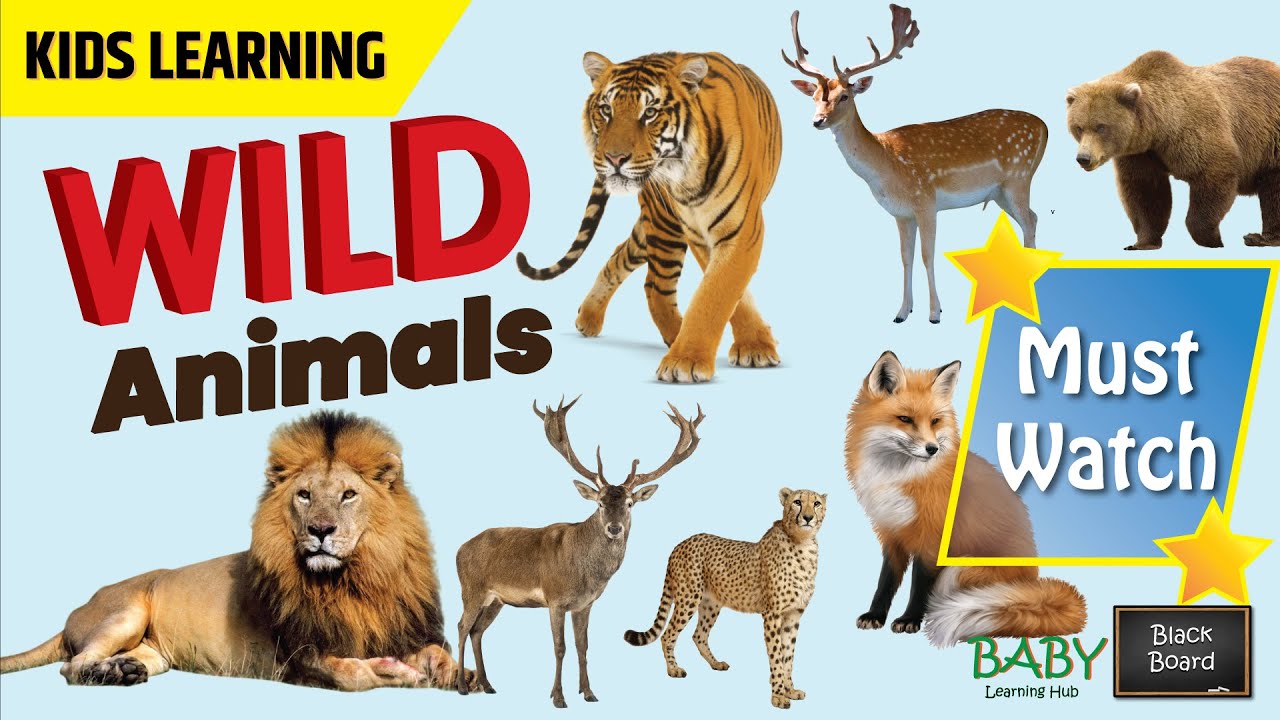
Wild animals are creatures that live in their natural habitats without being domesticated or tamed by humans. They are found in various ecosystems such as forests, deserts, grasslands, and oceans. Wild animals play a vital role in maintaining the balance of the ecosystem and are an essential part of the planet’s biodiversity.
Wild animals come in all shapes and sizes, from the tiniest insects to the largest mammals. Some of the most well-known wild animals include lions, tigers, elephants, giraffes, wolves, bears, and monkeys. Each of these animals has unique adaptations that allow them to survive in their specific environment.
Wild animals face a variety of challenges in the modern world. One of the most significant threats to wild animals is habitat loss. As humans continue to expand their cities and towns, they encroach upon the natural habitats of wild animals. This loss of habitat can lead to a decline in the population of wild animals, as well as other negative effects on the ecosystem.
Another major threat to wild animals is hunting and poaching. Many species of wild animals are hunted for their fur, skin, meat, and other body parts, which are sold on the black market. This can lead to the extinction of certain species and disrupt the balance of the ecosystem.
Conservation efforts are being made around the world to protect wild animals and their habitats. National parks and wildlife reserves have been established in many countries to provide a safe haven for endangered species. Many organizations are also working to raise awareness about the importance of protecting wild animals and their habitats.
In conclusion, wild animals are an important part of our planet’s biodiversity and play a crucial role in maintaining the balance of the ecosystem. However, they face numerous threats in the modern world, including habitat loss and hunting. It is our responsibility to protect these animals and their habitats to ensure a healthy and sustainable planet for future generations.
There are countless species of wild animals found across the globe, each with unique characteristics and adaptations that allow them to thrive in their natural habitats. Here are some examples of well-known wild animals:
- Lions: These majestic big cats are found in the grasslands and savannas of Africa. They are social animals that live in prides, and are known for their impressive hunting abilities.
- Elephants: The largest land animal on Earth, elephants are found in Africa and Asia. They are highly intelligent and social creatures, known for their long trunks and large ears.
- Tigers: These large and powerful cats are found in the forests of Asia. They are skilled hunters and are known for their distinctive striped coats.
- Giraffes: These long-necked animals are found in the grasslands of Africa. They are the tallest land animal on Earth and use their long necks to reach leaves from tall trees.
- Wolves: These highly social animals are found in many parts of the world, including North America, Europe, and Asia. They live in packs and are skilled hunters, often preying on large animals like elk and bison.
- Bears: There are several species of bears found around the world, including grizzly bears, polar bears, and black bears. They are powerful and intelligent animals that can be dangerous if provoked.
- Monkeys: There are many species of monkeys found in tropical regions around the world. They are highly social animals that live in large groups, and are known for their intelligence and agility.
- Kangaroos: These iconic animals are found only in Australia, and are known for their distinctive hopping gait. They are marsupials, meaning they carry their young in a pouch.
- Penguins: These flightless birds are found in Antarctica and other parts of the southern hemisphere. They are well-adapted to living in cold environments, and are known for their distinctive black and white feathers.
- Crocodiles: These large reptiles are found in many parts of the world, including Africa, Asia, and Australia. They are apex predators, and are known for their powerful jaws and ability to take down large prey.
These are just a few examples of the many fascinating and diverse species of wild animals found around the world. Each plays an important role in the ecosystem, and it is our responsibility to protect them and their habitats for future generations.







Leave a Reply